BIO
Virginie Masliah is a designer and artist working between sculpture, furniture, and functional objects. Her practice explores how familiar forms can shift meaning through material, scale, and interaction. Using metal casting and mechanical transformations, she creates tactile works that invite curiosity and reinterpret everyday objects as carriers of memory, intuition, and presence. Moving between the poetic, the practical, and humor, her work approaches functional design as a space for storytelling, experimentation, and connection to the self.
Photo credits: Alain Shindelman
woman of steel & le pif
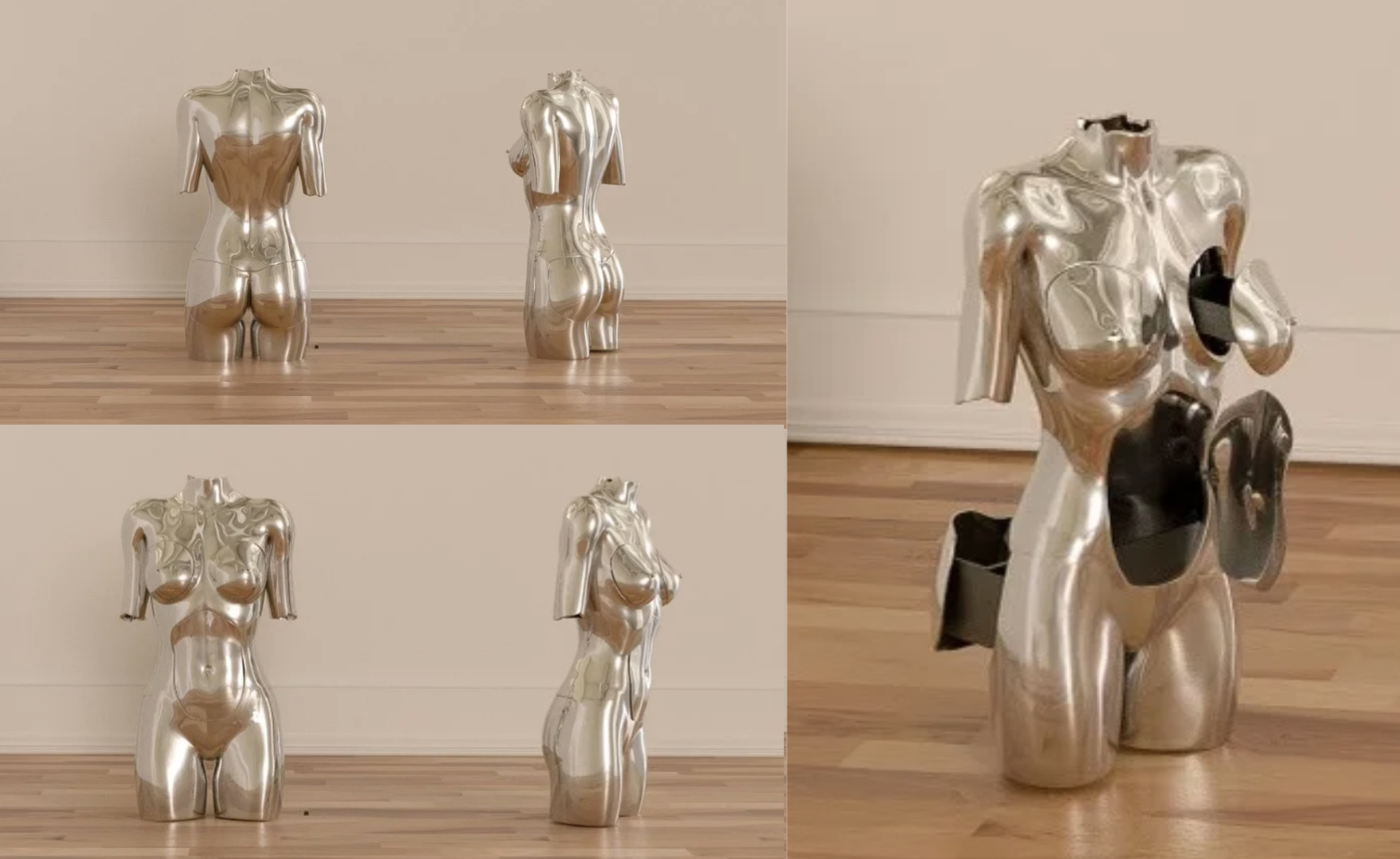
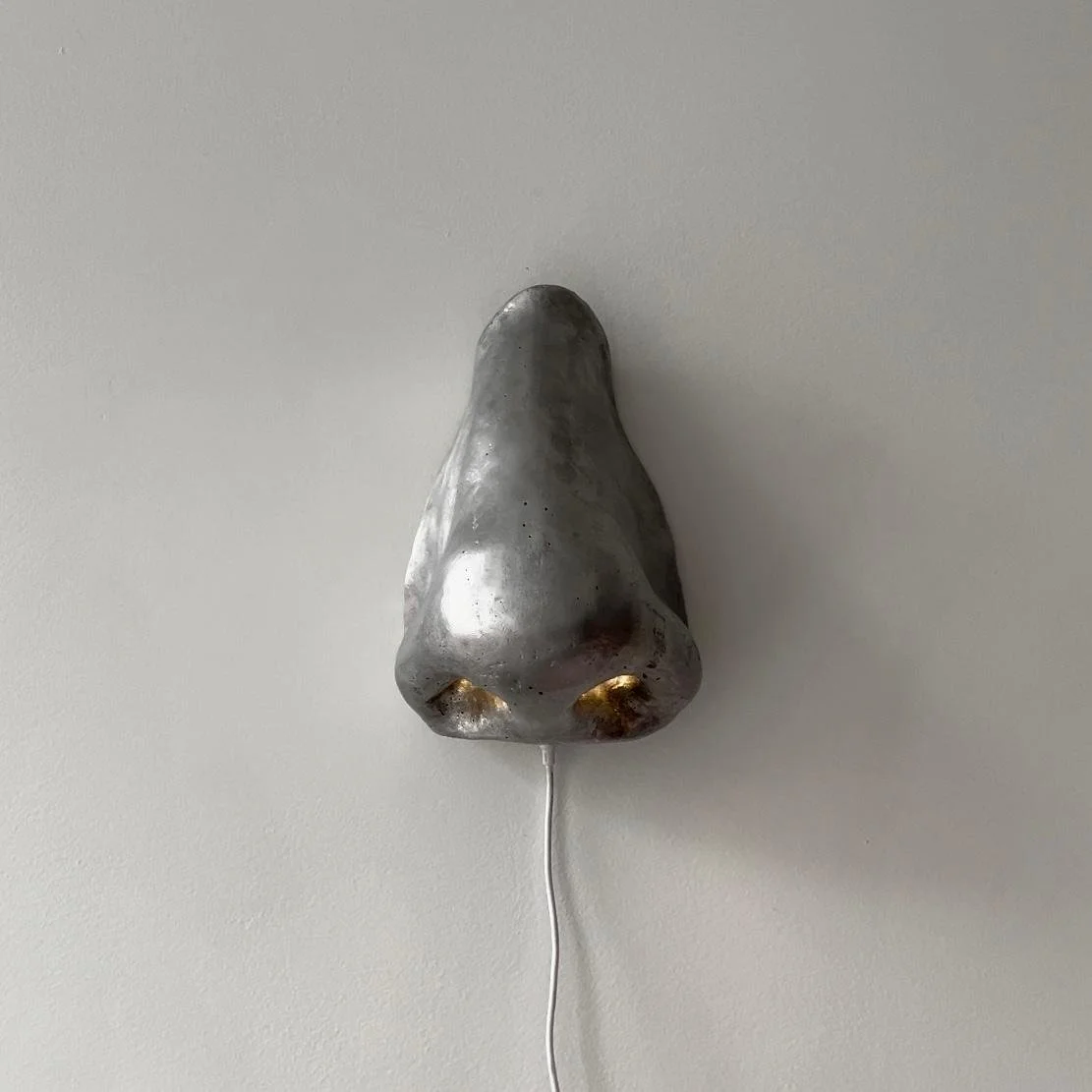
This project explores the body as a vessel of identity, intuition, and interior knowledge. It brings together two functional sculptures, Woman of Steel, a stainless steel torso that opens into a jewelry chest, and Le Pif, a cast aluminum nose lamp activated from within the nostril. Both works invite close interaction and transform familiar forms into spaces of encounter rather than objects of observation. Together, they consider how meaning is shaped between what is visible and what is felt, and how the body can act not as a limit but as a threshold through which knowledge and experience move.
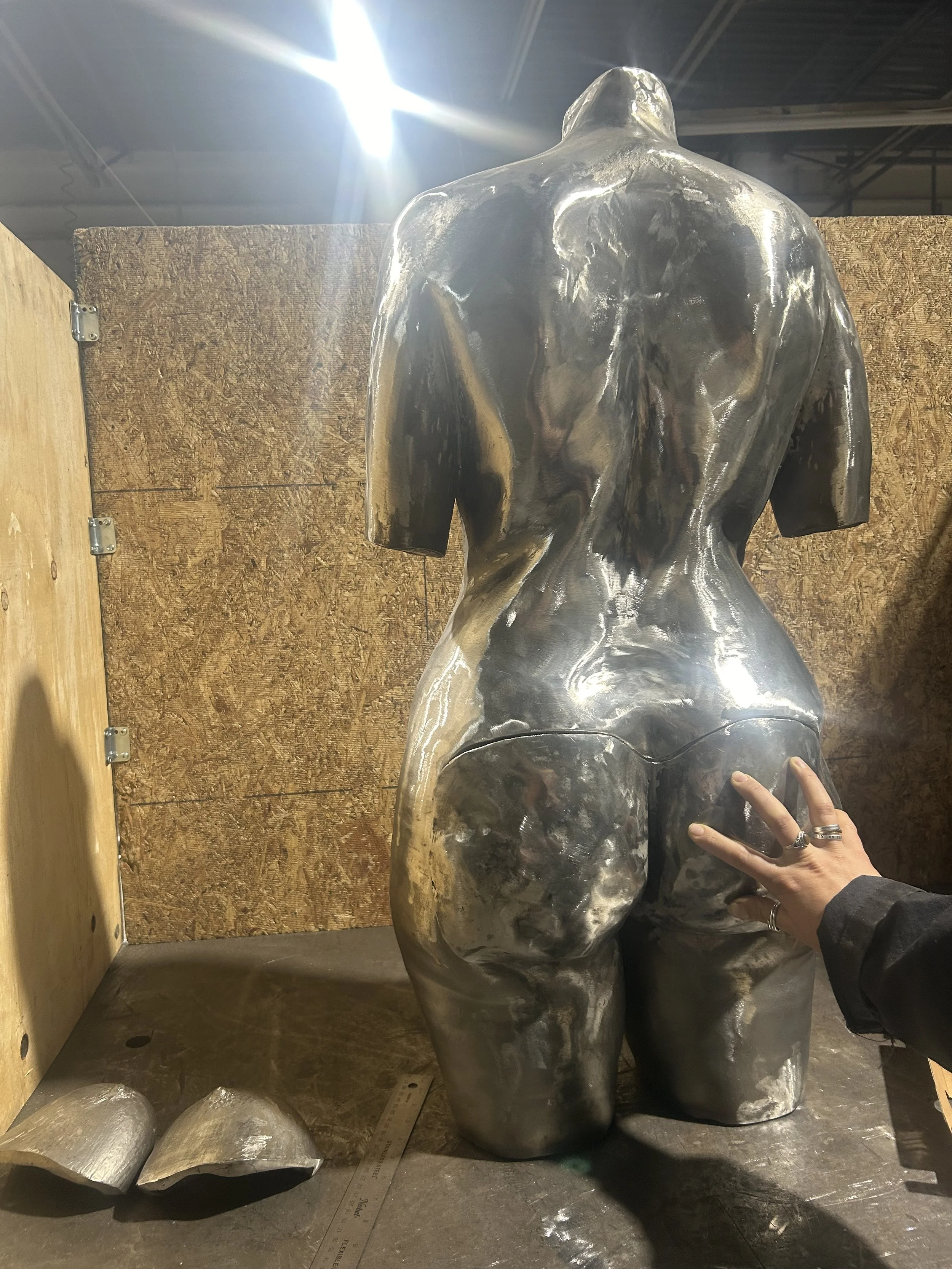
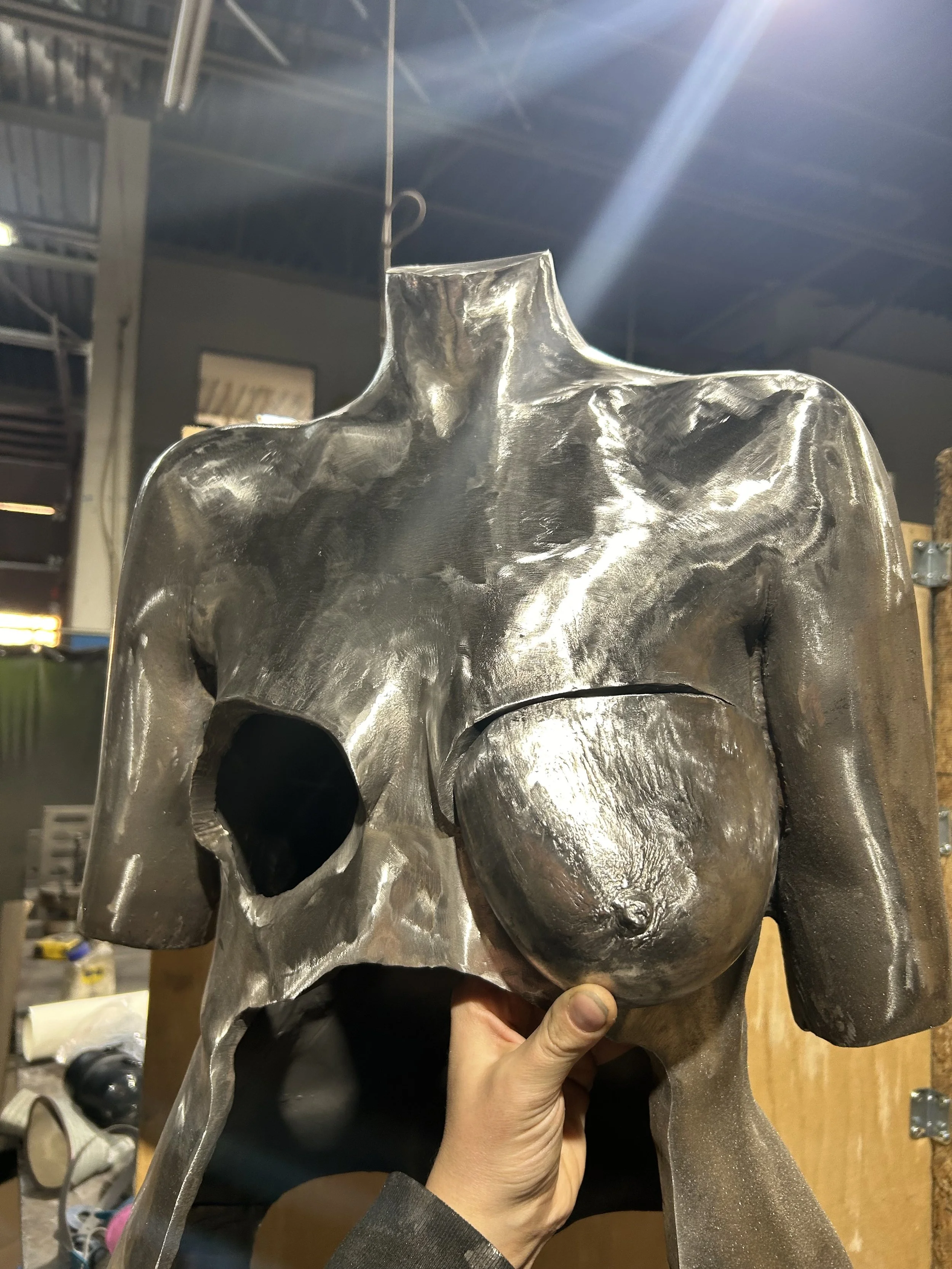
Woman of Steel is part of an ongoing series exploring the female body as a vessel of strength, intuition, and generative power. Cast in stainless steel, the figure transforms the body from a fragile surface into a resilient architectural structure. Rather than presenting the body as an object to be observed, the work reclaims it as a container of value. Multiple openings structure the figure as an interior territory. The breasts function as drawers for rings, the abdomen opens to reveal compartments and necklace hangers, and a concealed drawer at the back introduces a final layer of discovery. The stomach is central to the piece. It is often described as the place where instinct lives, where decisions are felt before they are understood, and where nourishment and creation begin. Opening the torso at this location transforms the body into a vessel that protects what is most personal while acknowledging the quiet intelligence carried within it. Through the permanence of stainless steel, the figure embodies resilience and continuity. It presents the female body as a source of strength and awareness that cannot be diminished, only rediscovered. The gesture of opening is not an invitation to possess or define the body. It asks instead for attention, care, and respect. The figure carries what is precious within it not because it is fragile, but because it is a powerful vessel of memory, intuition, and creation. The interior of the body has always been a place of knowledge, even when that knowledge was ignored or misunderstood. No matter how often women’s bodies have been judged, controlled, or reduced to surfaces, something essential has always remained intact. This work speaks to that continuity and presents the body as a form that protects what it contains.
Le Pif is a cast aluminum lamp shaped as a nose and activated through a hidden button placed inside the nostril. The work reflects on the nose as both a visible marker of identity and a symbol of intuition. The French expression “au pif” refers to decisions made through instinct rather than calculation, suggesting a form of knowledge that is immediate and embodied. The piece also acknowledges the complex cultural history of the nose within Jewish identity, where it has often been exaggerated or used as a tool of stereotyping. By transforming this form into a luminous functional object, the work reclaims it as a source of presence, dignity, and value. Light emerges from within the structure itself, suggesting that what has been misunderstood or reduced can also become a place of clarity and perception.
Together, the two sculptures approach the body not as a surface to be defined but as a boundary that is active, permeable, and generative. One protects what is held within, while the other illuminates what is perceived from the outside. Their interaction creates a dialogue between intuition and identity, visibility and interior knowledge. In relation to the theme Confine, the works consider the boundary not as a restriction but as a place of transformation. Each opening becomes a passage rather than a limit, inviting the viewer to move between exterior perception and interior understanding. The body appears here as a living threshold, a space where what is hidden and what is revealed remain in constant negotiation.